- info@alkounsar.co.in
- 919622220465 , 918171223344 , 01954231112
- Palhallan Pattan Baramulla Jammu and Kashmir
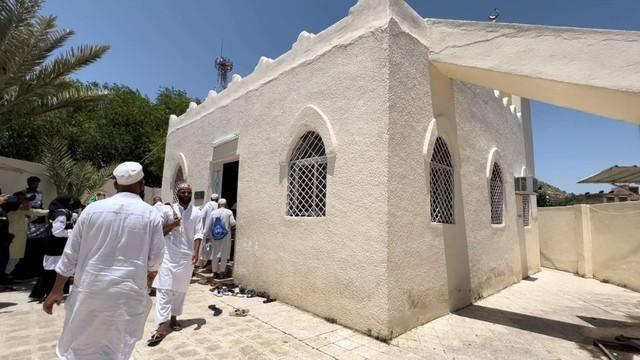
Masjid Addas: The Grapes of Mercy TAIF
Masjid Addas (The Grapes of Mercy) is a historic mosque in Taif, Saudi Arabia, marking the place where Prophet Muhammad ﷺ met Addas, a Christian servant from Nineveh, after the difficult events of Taif. Here, Addas offered the Prophet ﷺ a bunch of grapes, and their heartfelt conversation became a powerful symbol of mercy, compassion, and guidance. Today, Masjid Addas is a significant Ziyarat site where pilgrims reflect on the Prophet's patience, forgiveness, and unwavering trust in Allah.
Destination Overview
Masjid Addas (مسجد عداس) is one of the most spiritually significant Ziyarat sites in Taif, Saudi Arabia. It commemorates the moving encounter between Prophet Muhammad ﷺ and Addas, a Christian servant from Nineveh (modern-day Iraq), after the Prophet ﷺ endured one of the most difficult moments of his life in Taif. The mosque stands near the location of the orchard where Addas offered the Prophet ﷺ a bunch of grapes—a simple act of kindness that became a timeless symbol of mercy, compassion, and guidance.
Historical Background
Around the 10th year of Prophethood, after the deaths of Khadijah (RA) and Abu Talib, the Prophet ﷺ travelled to Taif to invite its people to Islam. Instead of welcoming him, the leaders rejected his message and incited people to insult and stone him until his blessed feet bled. Exhausted, he sought refuge in an orchard owned by Utbah and Shaybah ibn Rabi'ah. Feeling pity for his condition, they instructed their Christian servant, Addas, to take a bunch of fresh grapes to the Prophet ﷺ.
The Grapes of Mercy
Before eating the grapes, the Prophet ﷺ said:
بِسْمِ اللَّهِ
"In the name of Allah."
Addas was astonished because he had never heard anyone in that region begin eating with these words. The Prophet ﷺ asked him where he was from.
Addas replied:
"I am from Nineveh."
The Prophet ﷺ then said:
"The town of the righteous man, Yunus (Jonah) ibn Matta."
Surprised that an Arab knew about Prophet Yunus (AS), Addas asked how he knew him. The Prophet ﷺ replied:
"He is my brother. He was a Prophet, and I am also a Prophet."
Deeply moved by this conversation, Addas recognized the truth of the Prophet ﷺ and is reported to have kissed his head, hands, and feet in respect, embracing Islam according to traditional Seerah accounts.
Why is it Called "The Grapes of Mercy"?
The grapes symbolize Allah's mercy arriving at the Prophet ﷺ during one of his darkest moments. Although he had been rejected and wounded by the people of Taif, Allah comforted him through the kindness of Addas. This small act of compassion became a lasting reminder that mercy can appear even in times of great hardship.
Destination Highlights
Patience in adversity: The Prophet ﷺ remained steadfast despite severe rejection.
Kindness changes hearts: A simple gift of grapes led to a life-changing conversation.
Universal message of Islam: The Prophet ﷺ connected with Addas through their shared belief in Prophet Yunus (AS), showing Islam's continuity with earlier prophets.
Mercy over revenge: Instead of praying for the destruction of Taif, the Prophet ﷺ prayed that future generations would accept Islam—a prayer that was eventually fulfilled.
📍 Historic Ziyarat site in Taif.
🍇 Commemorates the famous "Grapes of Mercy" incident.
🤝 Meeting place of Prophet Muhammad ﷺ and Addas.
❤️ Symbol of compassion, hope, and forgiveness.
🕌 A meaningful stop for pilgrims exploring the Seerah of the Prophet ﷺ.
Photo Gallery
Other Destinations




Quick Facts
Location:
Masjid Addas: The Grapes of Mercy TAIF
Best Time to Visit:
Year-round destination
Climate:
Temperate, varies with seasons
Altitude:
Varies across the region
Need Help?
Our travel experts can help you plan your perfect trip to Masjid Addas: The Grapes of Mercy TAIF.
Contact Us Browse All Packages