- info@alkounsar.co.in
- 919622220465 , 918171223344 , 01954231112
- Palhallan Pattan Baramulla Jammu and Kashmir
Masjid Abu Bakr As-Siddiq رضي الله عنه
Masjid Abu Bakr As-Siddiq (رضي الله عنه) is one of the historic mosques of Madinah. It is located southwest of Masjid an-Nabawi, in the historic Al-Manakhah area. Official Madinah tourism information places it about 150 metres from the Prophet’s Mosque courtyards, while Saudipedia gives approximately 300 metres from the Prophet’s Mosque.
Destination Overview
During the lifetime of Prophet Muhammad ﷺ, Eid prayers were generally performed in an open prayer area outside Masjid an-Nabawi rather than inside the mosque. This location became associated with the Eid prayer tradition in Madinah.
Historical accounts connect the site of the present mosque with the place where Prophet Muhammad ﷺ performed Eid prayer. After the Prophet ﷺ passed away, Abu Bakr As-Siddiq رضي الله عنه continued the practice of performing Eid prayer at this location. Because of this association, the place eventually became known as Masjid Abu Bakr As-Siddiq.
The mosque is therefore not named merely in honour of Abu Bakr رضي الله عنه; its name reflects the historical connection between the site and his practice of continuing the Eid prayer tradition.
The present mosque was established during the early Islamic period. Historical sources commonly associate its construction with the time of Umar ibn Abdul Aziz, when he was governor of Madinah, approximately between 87 and 93 AH (706–711 CE).
Like many historic sites in Madinah, the mosque has undergone repairs and reconstruction over the centuries. These renovations allowed the site to remain preserved while adapting the structure to changing circumstances.
Connection with Abu Bakr As-Siddiq رضي الله عنه
Abu Bakr As-Siddiq رضي الله عنه occupies a unique position in Islamic history. He was one of the closest companions of Prophet Muhammad ﷺ, among the earliest people to accept Islam, and the first Caliph after the death of the Prophet ﷺ.
His association with this location reminds visitors of his close relationship with the Prophet ﷺ and his dedication to maintaining the practices of the Muslim community.
The mosque therefore represents not only an architectural landmark but also a connection to the history of the Sahabah (Companions) and the early Muslim community in Madinah.
Architecture
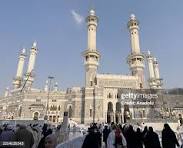
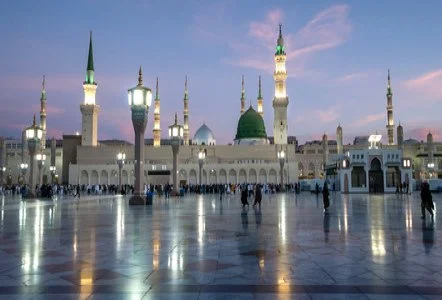
Masjid Abu Bakr As-Siddiq has a relatively simple architectural design compared with the magnificent and expansive architecture of Masjid an-Nabawi ﷺ.
The mosque's appearance reflects the traditional architectural character of historic Madinah. Its restoration and maintenance have helped preserve the site's identity while ensuring that the structure remains part of the city's historic landscape.
Religious and Historical Importance
The primary importance of Masjid Abu Bakr As-Siddiq is historical. It provides visitors with an opportunity to remember the practices of the Prophet ﷺ and the lives of his Companions.
When visiting the mosque, Muslims can reflect upon the sacrifices and contributions of Abu Bakr رضي الله عنه and the other Companions who supported Prophet Muhammad ﷺ during the establishment and development of the Muslim community.
Visitors should remember that there is no established special ritual or specific prayer that must be performed at this particular mosque simply because of its historical association. Its significance is primarily connected with Islamic history and remembrance.
A Place to Remember the Sahabah
Madinah is filled with locations connected to the life of Prophet Muhammad ﷺ and his Companions. Masjid Abu Bakr As-Siddiq is one of these landmarks.
A visit can inspire reflection on the qualities for which Abu Bakr رضي الله عنه is remembered: his faith, loyalty, sincerity, courage, generosity and unwavering support for the Messenger of Allah ﷺ.
Importance for Umrah and Ziyarat Visitors
For pilgrims performing Umrah and visiting Madinah, Masjid Abu Bakr As-Siddiq can be included among the historical sites of Madinah. Along with other landmarks in the city, it helps visitors understand the history and development of the first Muslim community.
Visitors should approach historical sites respectfully and use the opportunity to learn about the Seerah of Prophet Muhammad ﷺ and the lives of the Companions.
Destination Highlights
🕌 Historic Mosque of Madinah – One of the well-known historical mosques in Madinah Al-Munawwarah.
📍 Located in Al-Manakhah – Situated southwest of Masjid an-Nabawi ﷺ.
🌙 Associated with Eid Prayer – The site is traditionally associated with the Eid prayer performed by Prophet Muhammad ﷺ.
🤲 Connection with Abu Bakr رضي الله عنه – Abu Bakr As-Siddiq رضي الله عنه continued the Eid-prayer tradition at this location.
📜 Early Islamic Heritage – The mosque is connected with the history of the early Muslim community in Madinah.
🏛️ Historic Architecture – Reflects the traditional architectural heritage of Madinah.
🕋 Near Masjid an-Nabawi ﷺ – Its location makes it part of the historic sites surrounding the Prophet's Mosque.
🌿 A Place for Reflection – Provides visitors an opportunity to remember the Prophet ﷺ, his Companions and the history of Islam.
👤 Honours the First Caliph – The mosque carries the name of Abu Bakr As-Siddiq رضي الله عنه, the first Caliph of Islam.
📖 Important Ziyarat Landmark – A notable historical site for pilgrims exploring the Islamic heritage of Madinah.
Photo Gallery

Other Destinations


Quick Facts
Location:
Masjid Abu Bakr As-Siddiq رضي الله عنه
Best Time to Visit:
Year-round destination
Climate:
Temperate, varies with seasons
Altitude:
Varies across the region
Need Help?
Our travel experts can help you plan your perfect trip to Masjid Abu Bakr As-Siddiq رضي الله عنه.
Contact Us Browse All Packages